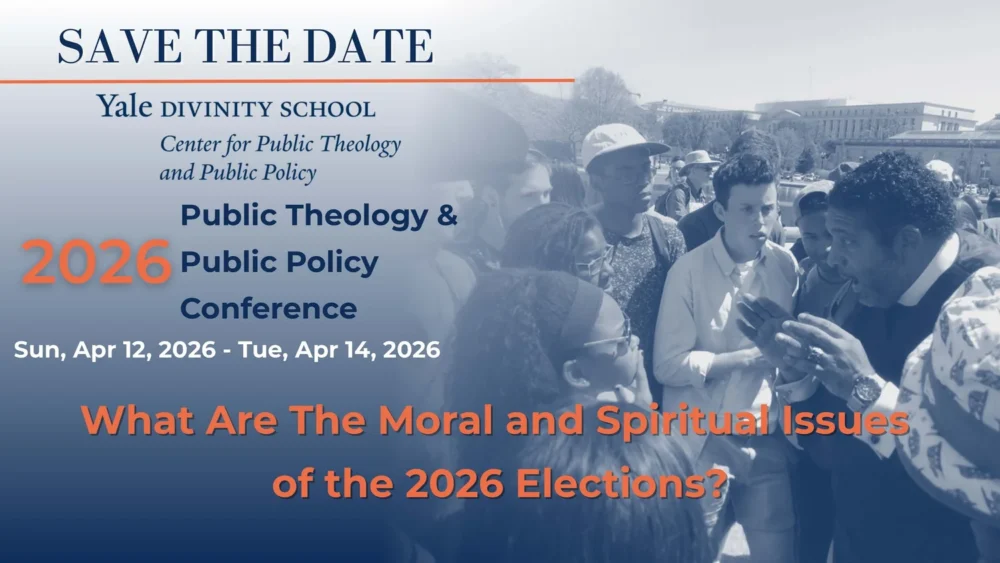
What Are The Moral and Spiritual Issues of the 2026 Elections?
“Join us to discern what moral issues the nation faces and what moral analysis and action public theologians and people of faith must engage in these times.”
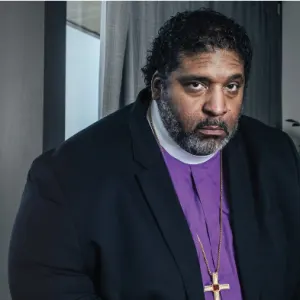
– Rev. Dr. William Barber, II, Founding Director
Join us for a unique public theology gathering, focused on the moral dimensions of the midterm elections. This national conference offers a moral analysis that transcends partisan boundaries and equips religious leaders, scholars, theologians, and moral activists to delve into the crucial public issues confronting our nation. Click here to register today.
About the Conference:
The Public Theology & Public Policy Conference is held every two years to coincide with national elections. We aim to train and empower religious leaders, scholars, theologians, and moral activists to delve into the crucial moral issues confronting our nation. We are committed to addressing issues from a theological perspective, transcending political partisanships.
America has experienced drastic and rapid changes since January 2025. Our national conference aims to be the space where clergy and faith leaders who understand the importance of this moral moment can be equipped with a moral analysis of the landscape, a strategic assessment of the moral issues at stake, and moral action they can take with others in their communities to push the nation toward higher ground.
What to Expect?
1. Training and Resourcing: Panels of national experts and practitioners will provide participants with biblical, theological, historical, and policy tools essential for naming and shaping the moral narrative for this election year.
2. Identification of Key Issues: Identify and discuss the key moral and spiritual issues prevalent during an election year.
3. Role Clarification: Clarify the roles that clergy and public theologians can play in ensuring that these issues are not overlooked by candidates, party platforms, and pundits
4. Framing Morality: Contrast moral framing with dominant narratives that often concentrate on divisions, distractions, and micro-deflections.
5. Policy Advocacy: Name specific policy actions that can make a difference on critical issues, allowing attendees to engage in meaningful advocacy.
Who Should Attend?
The Center for Public Theology & Public Policy at Yale Divinity School welcomes a diverse audience committed to exploring the intersection of spirituality, morality, and public policy. In the past, we have welcomed religious leaders, scholars, theologians, moral activists, and individuals passionate about clarifying complex moral issues for communities during election years.
This conference is an ideal gathering for those seeking communities where they may be equipped with the necessary tools—biblical, theological, historical, and policy-related—to navigate and contribute to the moral narrative shaping our nation’s political landscape. Whether you are actively involved in leadership or simply interested in understanding the pivotal role of faith and morality in public discourse, this event provides a unique platform for learning, collaboration, and advocacy.
Join us April 12-14, 2026, and be part of a community dedicated to fostering meaningful conversations and influencing positive change in our society.
If cost is a barrier to your participation, please email us at info@publictheologyconference.com to request a financial assistance discount. We are committed to accessibility and will respond confidentially.
Click here to register, learn more about speakers and to access the conference agenda.